
Summary Highlights
- How above-1 kV installation scope and the eligible engineer appointment route determine applicability
- The core regulatory framework the obligation rests on
- Which facilities fall within the scope and which do not
- The possible consequences of not having an operation manager
- What the difference between operation responsibility and periodic inspection means for the obligation
Article Details
In Türkiye, the EMO operation-responsibility regulation covers high-voltage installations above 1 kV under the Electrical High Current Installations Regulation. The facility’s installation boundary and authorized-engineer arrangement must be checked when establishing the appointment and written scope. This article explains the Turkish legal framework, the role of the responsible engineer and how this service differs from periodic inspection.
What is the legal basis of the obligation? High voltage operation responsibility is regulated primarily by the Electrical High Current Installations Regulation and the related legislation, together with EMO's regulation on operation responsibility for electrical high voltage facilities. These rules define the qualifications, duties and obligations of the authorised person who will operate high voltage installations. Operation responsibility is therefore not arbitrary but a requirement bound to legislation.
The Turkish regulation discussed here uses an effective phase-to-phase voltage above 1 kV as its high-voltage boundary. Check the actual equipment and installation scope when establishing the responsible-engineer arrangement. A low-voltage-only supply is a different case; ownership of a transformer alone is not the applicability test.
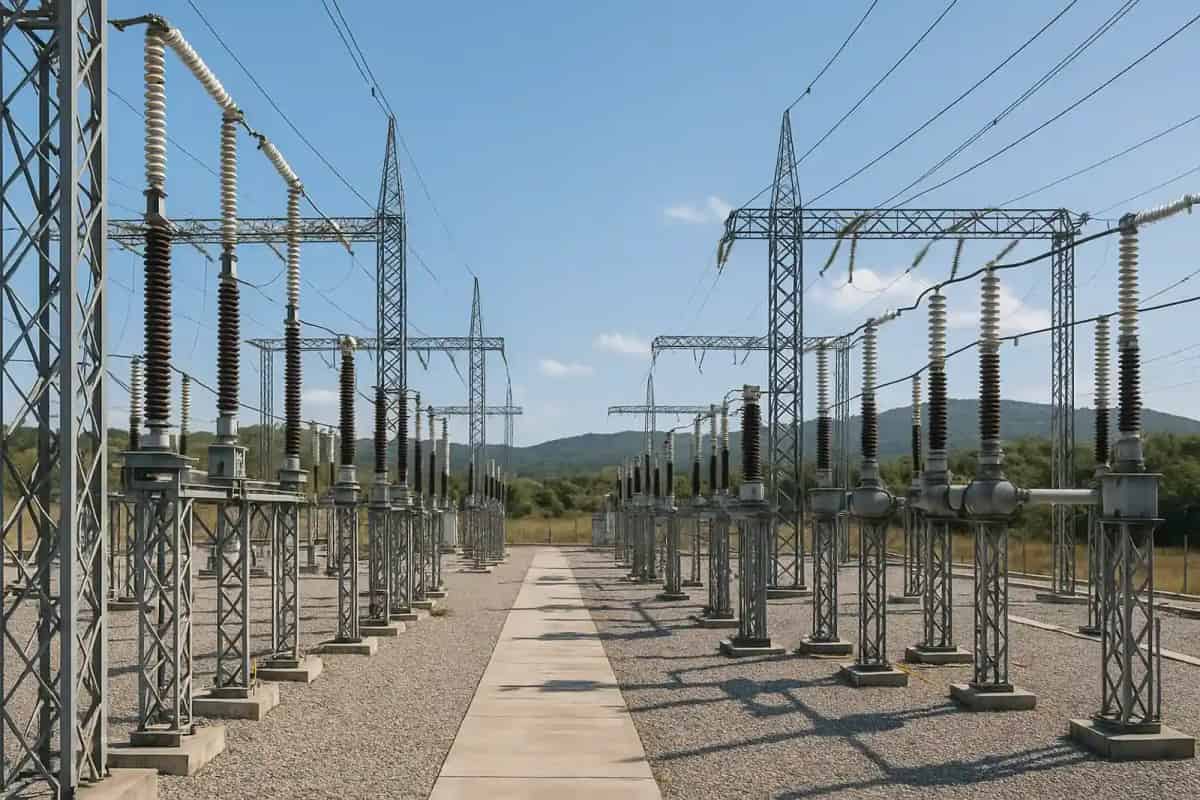
Factories, OIZ facilities, shopping centres, hospitals, hotels and other buildings may fall within the scope when their installation includes the above-1 kV equipment covered by the Turkish regulation. A private transformer is a common practical indicator, but building type or transformer ownership alone is not the legal applicability test. Review the installation boundary, voltage level and the eligible appointment route.
What are the consequences of not having an operation manager? Failure to comply with the obligation first creates a serious safety risk; when high voltage facilities are operated without authorised oversight, the likelihood of an accident increases. In addition, in an accident or inspection, the facility owner may face legal and administrative obligations. Operation responsibility is the basic legal and technical safeguard that manages this risk.
Confirm current EMO registration, YGTİS authorization, applicable professional scope and appointment conditions. For an external SMM appointment, also check the relevant SMM record and EMO-approved contract. Do not infer authority from the degree title alone.
A facility supplied only at low voltage is a different case from an installation containing equipment above 1 kV. Check the actual electrical boundary and eligible full-time or external SMM appointment route. Other inspection and safety obligations may apply independently; private transformer ownership alone does not settle the question.
Operation responsibility and periodic inspection serve different purposes. Operation responsibility establishes authorized technical oversight under the Turkish appointment rules. Periodic inspection is a defined assessment of equipment or installations, with measurements and a report. One service does not replace the other, and neither by itself guarantees future fault-free operation.
At Pow-Sys, we assess whether your facility falls within operation responsibility scope according to your electrical infrastructure, and offer a certified service that meets the obligation correctly. The aim is to keep the facility compliant in terms of both legal requirements and safety. The process is shaped according to the facility's real needs.
If you want to clarify whether operation responsibility is required for your facility in Bursa and the surrounding region, sharing your transformer status and facility type is enough. We carry out the scope assessment together. You can find the cost side of the subject in our article on high voltage operation responsibility cost, and the manager's duties in our article on transformer operation manager duties.
Official sources: EMO operation-responsibility regulation. The Turkish appointment and service scope should be checked against the current official record.
Related Blog Posts
- What Is High Voltage Operation Responsibility? Why Is It Necessary and What Does It Cover?
- Duties of a Transformer Operation Manager: Inspection, Switching, Maintenance and Records
- YGTIS Certificate and Operation Manager Verification: Authority, Validity and Checks
- HV Operation Responsibility Cost: Pricing Factors and the EMO Fee Tariff
Related Services
Frequently Asked Questions
Is high voltage operation responsibility mandatory?
In Türkiye, installations above 1 kV fall within the relevant high-current-installation and EMO operation-responsibility framework. Article 6 distinguishes an eligible full-time engineer's appointment from an external SMM appointment under an EMO-approved contract. Check the installation boundary, engineer's current authorization and appointment conditions; the obligation does not mean every facility must purchase the same external contract.
Which facilities must have an operation manager?
Check whether the actual installation includes above-1 kV equipment covered by the Turkish operation-responsibility framework and which eligible engineer appointment route applies. A private transformer is a common example, but business type or transformer ownership alone is not the legal test. Confirm installation scope and current engineer authorization before appointment.
Is it mandatory for facilities below 1 kV?
An installation supplied only at low voltage is a different case from the above-1 kV scope discussed here. Other inspection and safety duties can apply independently. Verify the actual installation boundary rather than relying only on whether the business owns a transformer.
What happens if there is no operation manager?
Not having an operation manager first creates a serious safety risk; when high voltage facilities are operated without authorised oversight, the likelihood of an accident increases. In addition, in an accident or inspection, the facility owner may face legal and administrative obligations. Operation responsibility is the basic legal and technical safeguard that manages this risk, which is why it is made mandatory.
What is the legal basis of operation responsibility?
High voltage operation responsibility is regulated primarily by the Electrical High Current Installations Regulation and the related legislation, together with EMO's regulation on operation responsibility for electrical high voltage facilities. These rules define the qualifications, duties and obligations of the authorised person who will operate the facility. Operation responsibility is therefore a requirement bound to legislation.
Is operation responsibility the same obligation as periodic inspection?
No. Operation responsibility establishes authorized technical oversight under the Turkish appointment rules. Periodic inspection records a defined assessment, measurements and findings for specified equipment or installations. They may both apply to a facility, but completing one does not discharge the other obligation.
Who can be an operation manager?
Confirm current EMO registration, YGTİS authorization, applicable professional scope and appointment conditions. For an external SMM appointment, also check the relevant SMM record and EMO-approved contract. Do not infer authority from the degree title alone.