
Summary Highlights
- What high voltage is and from which voltage it starts: international and Turkish limit values
- LV, MV and HV classification: low, medium and high voltage ranges with example line levels
- Why high voltage is used: applications in transmission, distribution and industrial facilities
- Basic equipment and high-voltage components found in high-voltage lines, transformers and transformer substations
- Safety rules to consider in high-voltage systems, approach distances and HV operation responsibility
Article Details
What Is High Voltage? From Which Voltage Does It Start? This article covers the general concept of high voltage: which voltages count as high voltage, the LV-MV-HV voltage levels and where high voltage is used; the physical transmission line, its towers and safety clearances are the separate topic of the high-voltage line. High voltage means alternating voltage with an effective value above 1000 volts (1 kV). In international standards, levels above 1000 V AC and 1500 V DC fall into the high-voltage class, and special insulation, equipment and safety rules apply to these voltages. Turkey's Regulation on Electrical High Current Installations is also based on the same threshold, and in practice line levels such as 34.5 kV, 154 kV and 380 kV are encountered in high-voltage transmission and distribution systems. In short, the answer to the question of from which voltage high voltage starts is: voltage levels above 1000 V, where direct contact is extremely dangerous for life safety. For this reason, electric field and arc risks are considered even when approaching high-voltage equipment.
LV, MV and HV Voltage Classes. In practice, grid voltages are grouped under three main classes: low voltage (LV), medium voltage (MV) and high voltage (HV). LV generally refers to the 0-1000 V range and the 230/400 V level reaching the end user. MV covers grid voltages between 1 and 36 kV and is used in cables and lines in urban areas and organized industrial zones. Levels of 36 kV and above are called HV; transmission lines and large transformer substations operate at these high-voltage levels. From a regulatory perspective, all installations above 1 kV may be subject to high-voltage installation requirements. Therefore, high-voltage engineering, safety rules and operation responsibility also apply in industrial facilities operating at MV levels such as 6 kV, 10 kV and 15 kV.
Why Is High Voltage Necessary? Advantages of High Voltage. High voltage is used so electrical energy can be transmitted over long distances economically and efficiently. When voltage is increased to transmit the same power over a line, current decreases; therefore I2R losses in transmission and distribution lines decrease, conductor cross-sections become smaller and equipment costs are reduced. In this way, millions of kilowatts of electrical power can be transmitted safely from power plants to cities. High-voltage engineering requires the voltage level to be selected according to the power and distance carried by the line, while insulation, short-circuit withstand capability and safety limits are evaluated together.
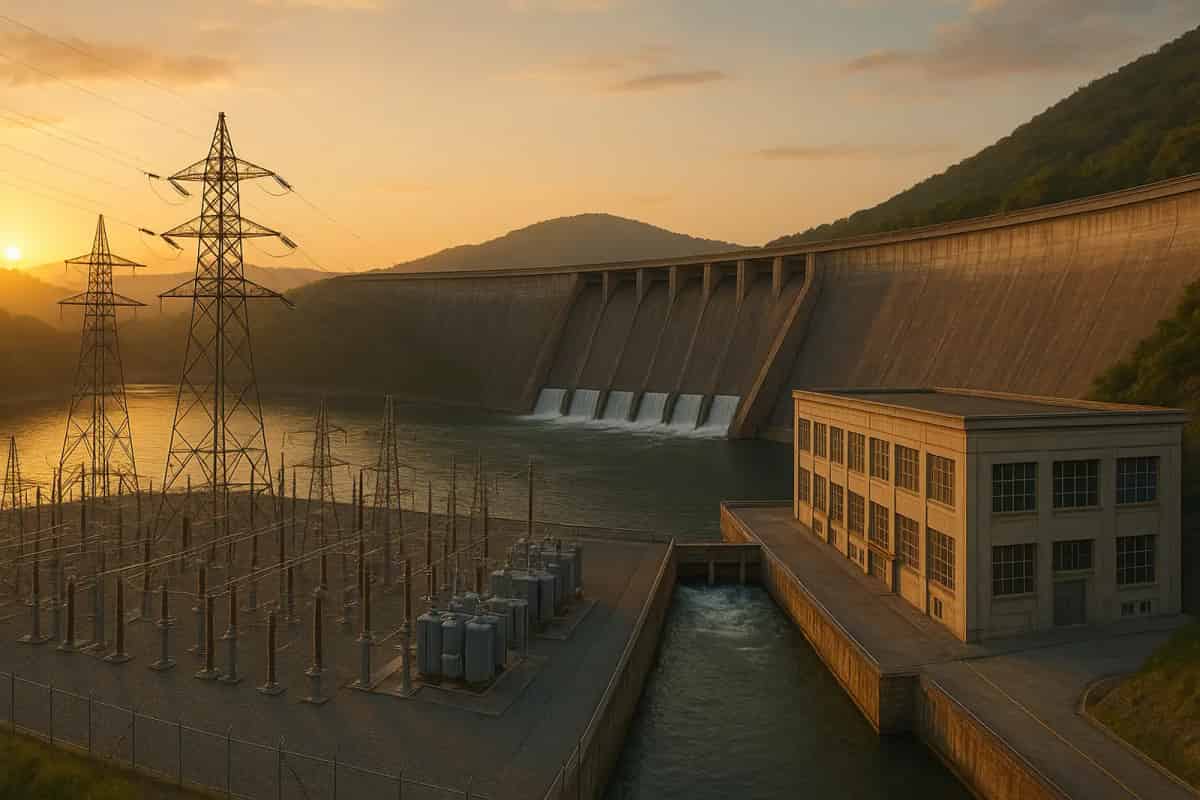
Where Is High Voltage Used? High-voltage installations include energy transmission lines, intercity MV/HV lines, transformer substations, switchyards, dam and power plant outlets, MV switchgear in large industrial facilities and high-voltage motor drive systems. For field testing and maintenance of lines, cables and switchgear operating at these levels in Bursa and the surrounding region, Bursa HV/MV testing, maintenance and repair services should be used. In industrial facilities, high voltage is mostly seen as energy taken from the MV grid and transformed to low voltage inside the facility's transformer substation. MV switchgear, circuit breakers, disconnectors, instrument transformers, power transformers and busbar systems operate as an integrated whole, and the entire facility is managed according to the relevant HV operation responsibility procedures.
What Is a High-Voltage Line? A high-voltage line generally refers to overhead transmission and distribution lines at 34.5 kV and above, carried over insulators mounted on steel lattice or concrete poles. On these lines, conductors, insulator strings and line fittings carry mechanical loads while also providing sufficient electrical approach distance. A high-voltage line creates electric and magnetic fields around it because of the electrical energy it carries. Therefore, when a line route is planned, distances to residential areas, buildings, roads and other infrastructure are determined according to regulations. Detailed distance calculations must be made according to the relevant utility specifications and by authorized electrical engineers.
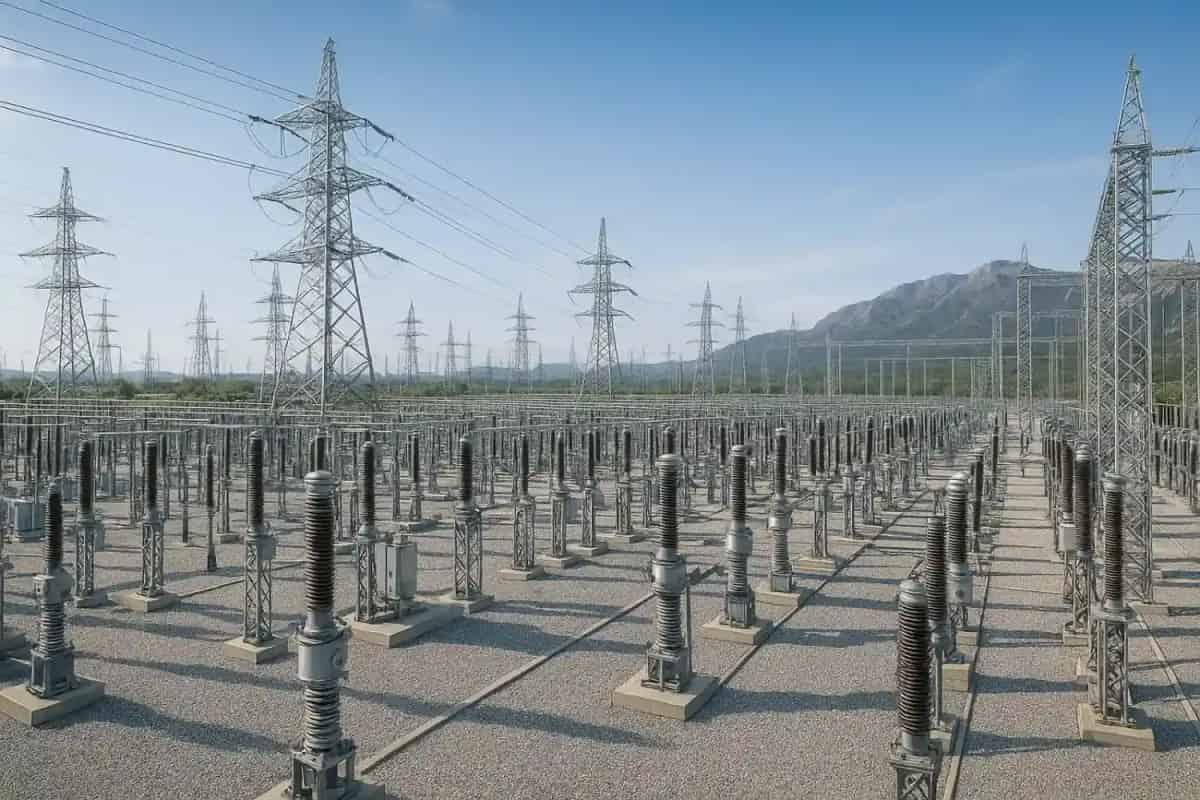
High-Voltage Transformers and Transformer Substations. A high-voltage transformer is a power transformer used to convert transmission or distribution voltage to higher or lower levels. For example, in 154/34.5 kV step-down transformer substations, high-voltage energy is reduced to a lower MV level for city feeders. Transformer substations include circuit breakers, disconnectors, instrument transformers, surge arresters and busbar systems on the high-voltage side; cable feeders, MV switchgear and LV panels on the medium- and low-voltage sides. Periodic testing and maintenance of this equipment should be planned together with transformer maintenance, testing and oil analysis and HV/MV maintenance and testing services.
High-Voltage Components and Basic Elements. In a high-voltage installation, many components operate together, including overhead line conductors, underground cables, insulators, poles and crossarms, busbar systems, circuit breakers, disconnectors, instrument transformers for current and voltage, power transformers, surge arresters, capacitor banks and protection relays. Each high-voltage component has a defined role in ensuring both electrical and mechanical safety of the system. Insulation distances, creepage lengths, grounding resistance and short-circuit withstand values are among the most critical design criteria in high-voltage engineering. These values must be measured and recorded during both project design and operation.
Risks and Hazards of High Voltage. High voltage creates an electric shock risk that can be fatal to the human body in case of contact. If a sufficient approach distance is not maintained, an arc can occur through the air gap even without direct contact between the conductor and the body. An arc may cause severe burns, equipment damage and fires. Hazards associated with high-voltage lines include electric shock risks caused by improper distances, noise, corona discharge and electromagnetic field effects. Limit values for these effects and permitted approach distances are defined by regulations and must be considered during the project design phase.
Safe Work Rules in HV Installations. Safe work in high-voltage installations includes disconnecting the energy, applying lockout-tagout (LOTO), verifying absence of voltage by measurement and grounding the work area. The work zone must be fenced, marked with warning signs and restricted to authorized personnel only. Use of appropriate personal protective equipment such as a hard hat, insulating gloves, face shield, arc-rated clothing and safety footwear is an essential part of occupational safety in high-voltage work. These procedures are applied together with the instructions and procedures prepared by the operating engineer responsible for the site.
What Is High-Voltage Operation Responsibility? In Turkey, high-voltage operation responsibility for installations above 1 kV must be undertaken by an electrical engineer authorized by the Chamber of Electrical Engineers (EMO). The HV operation responsible engineer is responsible for the safe operation of transformer substations and MV switchgear, performance of periodic inspections and tests, keeping records and informing personnel. For high-voltage operation responsibility, transformer operation responsibility and transformer substation operation services in industrial facilities in Bursa and the surrounding region, you can review our HV operation responsibility and transformer operation responsibility pages and contact the Pow-Sys Power Systems team.
Conclusion: Working Safely and Efficiently with High Voltage. In summary, high voltage refers to voltage levels above an effective value of 1000 V that require special insulation and safety measures. High voltage levels are indispensable for transmitting electrical energy over long distances economically and with low losses; however, high-voltage engineering rules must be followed completely during design, project development and operation. For new HV/MV investments, transformer substation projects, field tests and high-voltage operation responsibility services, you can use our LV/MV/HV project design and consultancy, Bursa HV/MV testing, maintenance and repair and Bursa transformer maintenance, testing and oil analysis solutions.
Related Blog Posts
- What Is a High-Voltage Line? Components and How It Works
- What Is High Voltage Operation Responsibility? Why Is It Necessary and What Does It Cover?
- What Is Metal-Clad Switchgear? What Does It Do, How Does It Work and What Features Does It Have?
- What Is an OLTC? What Does It Do, How Does It Work and For What Purpose Is It Used?
Related Services
Frequently Asked Questions
What is high voltage?
High voltage is a general term for a voltage level: it means alternating voltage with an effective value above 1000 volts, or 1 kV. In international standards, levels above 1000 V AC and 1500 V DC fall into the high-voltage class, and Turkey's Regulation on Electrical High Current Installations is based on the same threshold. At these levels, special insulation, equipment and safety rules apply, because direct contact is extremely dangerous for life safety and electric field and arc risks are considered even when approaching high-voltage equipment. In practice, high-voltage transmission and distribution systems in Turkey operate at line levels such as 34.5 kV, 154 kV and 380 kV. The practical consequence is that any installation above 1 kV must be designed, operated and maintained under high-voltage engineering rules and accessed only by authorized and trained personnel.
Which voltages are considered high voltage?
From a regulatory perspective, voltages above 1000 V are considered high voltage, and in grid practice voltage levels are grouped into three classes. Low voltage (LV) covers the 0-1000 V range, including the 230/400 V level that reaches end users. Medium voltage (MV) covers grid voltages between 1 and 36 kV, used in cables and lines in urban areas and organized industrial zones. Levels of 36 kV and above are called high voltage (HV), where transmission lines and large transformer substations operate. Because all installations above 1 kV may be subject to high-voltage installation requirements, industrial facilities operating at MV levels such as 6 kV, 10 kV and 15 kV must also apply high-voltage engineering, safety rules and operation responsibility, and field testing and maintenance at these levels should be planned as specialized HV/MV work.
How many volts is high voltage?
The basic threshold for high voltage is above 1000 V AC, that is 1 kV, and 1500 V DC in international classifications. In Turkey, transmission and distribution networks widely use high-voltage levels such as 34.5 kV, 154 kV and 380 kV, while many industrial facilities take their energy at medium-voltage levels such as 6 kV, 10 kV and 15 kV. Although the term high voltage is often associated only with large transmission lines, for life safety all installations above 1 kV are considered subject to high-voltage requirements. This means the same fundamental safety logic of approach distances, insulation and restricted, authorized access applies whether equipment operates at 6 kV inside a factory transformer substation or at 380 kV on an intercity transmission line, and the 1 kV threshold is the value to remember.
Why is high voltage dangerous?
High voltage is dangerous because both electric shock and arc flash risks are high, and direct contact is not even required for injury. If a sufficient approach distance is not maintained, an arc can occur through the air gap between the conductor and the body, and an arc may cause severe burns, equipment damage and fires. Contact with energized high-voltage parts creates an electric shock risk that can be fatal. Around high-voltage lines there are additional effects such as noise, corona discharge and electromagnetic fields, whose limit values and permitted approach distances are defined by regulations. Even a small violation of the approach distance may cause fatal injuries, which is why only authorized and trained personnel may enter high-voltage installations and why safe work always starts with de-energizing, verifying absence of voltage and grounding the work area.
What is the difference between HV, MV and LV?
LV, MV and HV are the three main classes used to group grid voltages, and the difference between them lies in voltage range, equipment requirements and safety rules. Low voltage (LV) generally refers to the 0-1000 V range and the 230/400 V level used by end users. Medium voltage (MV) covers grid levels between 1 and 36 kV, seen in urban networks and organized industrial zones. High voltage (HV) refers to levels of 36 kV and above, where transmission lines and large transformer substations operate and where higher insulation, greater equipment withstand capability and stricter safety rules are required. From a regulatory perspective, however, all installations above 1 kV may be treated as high-voltage installations, so facilities operating at MV levels also fall under high-voltage engineering and operation responsibility, and their maintenance and testing are planned accordingly.
What are the hazards of a high-voltage line?
The main hazards of a high-voltage line are electric shock, arc formation and fire caused by uncontrolled approach. Because an arc can bridge an air gap, serious injury can occur even without touching the conductors, and improper approach distances, unauthorized climbing or contact with conductors may lead to loss of life, equipment damage and operational losses. A high-voltage line also creates electric and magnetic fields around it, together with effects such as noise and corona discharge, and the limit values for these effects are defined by regulations. For these reasons, line routes are planned with regulated distances to residential areas, buildings, roads and other infrastructure, and warning signs, protection distances and safety instructions are mandatory along the route. Anyone working or building near a high-voltage line must treat these regulated clearances as strict safety limits.
Is a high-voltage line AC or DC?
Most high-voltage lines operate with alternating current: in Turkey, the majority of the grid uses three-phase AC high-voltage lines for transmission and distribution. High-voltage direct current (HVDC) systems also exist, but they are used mainly in special projects, particularly very long-distance connections or submarine cable links, and they are far fewer in number than conventional AC transmission lines. For practical purposes, when high voltage is discussed in the context of the national grid, transformer substations and industrial supply, three-phase AC is almost always what is meant. The type of current also affects classification: international standards place the high-voltage threshold at 1000 V for AC systems and 1500 V for DC systems, so whether a line is AC or DC determines which limit values and technical rules apply to it.
How is high voltage measured?
High voltage is not measured directly with conventional measuring instruments. Instead, voltage transformers (VTs), high-voltage probes and special test devices are used to bring the voltage information down to a level that instruments can read safely. During any measurement work in a high-voltage installation, appropriate personal protective equipment must be used, grounding must be applied and safety distances must be maintained, in line with the general safe work rules for such installations, which include disconnecting the energy, applying lockout-tagout and verifying absence of voltage by measurement. Measurement in high-voltage systems is therefore a controlled engineering task performed only by authorized personnel, never an operation to be attempted with standard instruments or by unqualified staff. This is also why instrument transformers are standard equipment in transformer substations, where they continuously feed the metering and protection systems.
How far should high-voltage poles be from a house?
There is no single fixed distance in meters that applies between high-voltage poles and a house: the required distance depends on the line voltage level, the pole type and the applicable regulations. High-voltage lines create electric and magnetic fields around them, so when a line route is planned, distances to residential areas, buildings, roads and other infrastructure are determined according to regulations, and detailed distance calculations must be made according to the relevant utility specifications and by authorized electrical engineers. Because these requirements differ from line to line, quoting one universal meter value would be misleading. The correct approach when a new building is planned near an existing line is to obtain the specifications of the relevant distribution utility and the opinion of an authorized electrical engineer before making any construction decision.