
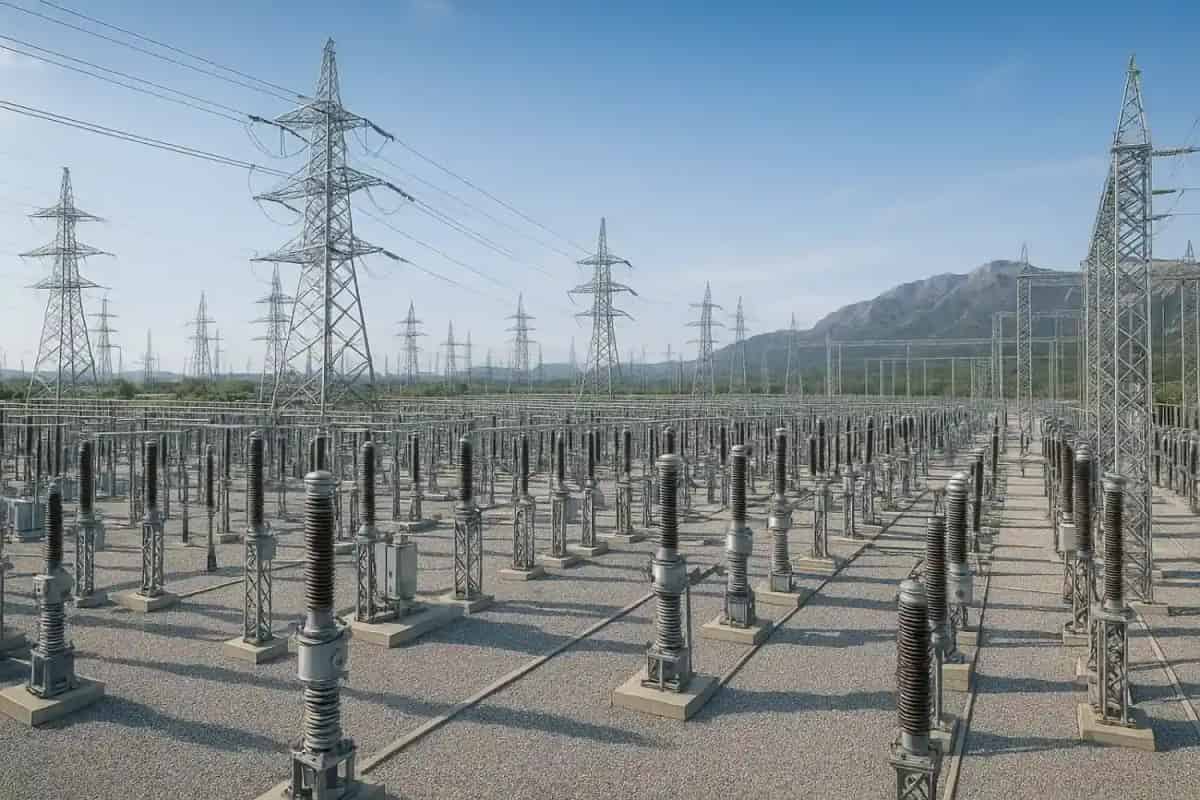
Last updated: September 9, 2026
Reviewed by Hüseyin ÇOKAL, Electrical and Electronics Engineer. Updated: September 9, 2026.
What changed: Service scope, report outputs, official sources, pre-proposal information and technical transparency notes were reviewed for the current period.
Bursa Generator Periodic Inspection Summary
- Bursa generator periodic inspection covers visual inspection, electrical tests and function checks of diesel and natural-gas generator sets, synchronized generator groups, automatic transfer panels (ATS/AMF), generator control and protection panels, generator rooms and generator installation cable routes; results are documented with an official generator periodic inspection report and generator periodic examination report: the whole backup power chain verified, not just the engine
- Generator periodic inspection is a mandatory periodic examination activity for equipment included in the generator class of work equipment periodic inspection under Law No. 6331 and the Regulation on Health and Safety Conditions in the Use of Work Equipment. Unless otherwise specified in the relevant TS / TS EN standards, the maximum generator periodic inspection interval is one year: your statutory obligation met with the correct document on file
- During the inspection, mechanical components such as generator engine, alternator, fuel and lubrication system, cooling system, exhaust line, foundation and vibration mounts are checked together with electrical and operational checks such as insulation resistance, grounding continuity, residual current and protection devices, short-circuit and overcurrent protection selection, voltage-frequency regulation, phase sequence and behavior under load: weak points surface in a controlled test, not in a real outage
- In generator room and generator installation periodic inspection, natural/mechanical ventilation and air circulation, location and tightness of fuel tanks and fuel lines, exhaust gas discharge, cable trays and cable routes, fire detection and extinguishing system, emergency stop button, emergency lighting, warning signs and escape routes are evaluated under the relevant TS EN standards and regulations: fire and life-safety risks reach you in writing with priorities
- We provide Bursa generator periodic inspection services in Nilufer OSB, DOSAB, Kestel and Gursu OSB, Inegol OSB, Hasanaga, Kayapa, Demirtas, Bursa Free Zone, factories outside organized industrial zones, shopping centers, hotels, hospitals, data centers, logistics warehouses and public institutions, using site-specific checklists, calibrated instruments and detailed generator reports: a checklist built for your facility, not a generic form
- By integrating generator periodic inspection with transformer and electrical installation periodic inspection, grounding and lightning protection periodic inspections, UPS and battery periodic inspections, we offer a single-source, traceable electrical periodic inspection package compatible with EKİPNET and OHS-KATIP processes for facilities in Bursa: one calendar, one supplier, one audit-ready file
Technically reviewed by
Bursa Generator Periodic Inspection Scope
What is generator periodic inspection in Bursa
Generator periodic inspection is the process of examining and testing generator sets and generator installations used as a main or backup energy source in a facility at defined intervals according to legislation and the relevant TS / TS EN standards. In practice, this service may be called generator periodic examination, generator installation periodic inspection, generator periodic tests, generator periodic inspection report, generator periodic inspection form or generator periodic examination report. Their common purpose is to verify that the generator system that will operate during a power outage works safely, adequately and in accordance with the generator criteria for work equipment periodic inspection.
Generator inspection and maintenance are different
Generator periodic inspection should not be confused with conventional generator maintenance services. Periodic maintenance covers operating and service activities mostly based on manufacturer recommendations, such as oil changes, filter changes, cleaning, adjustment and calibration. Periodic inspection and periodic examination are independent test and inspection activities required by the Regulation on Health and Safety Conditions in the Use of Work Equipment, and an official generator periodic inspection report is issued at the end. Generator periodic maintenance, including daily, weekly, monthly, quarterly, six-monthly and annual steps, extends generator life and reduces faults, but it does not fulfill the statutory periodic inspection obligation by itself.
Legal basis and inspection interval
The legal basis for generator periodic examination is Law No. 6331 on Occupational Health and Safety and the Regulation on Health and Safety Conditions in the Use of Work Equipment issued under this law. Generators are listed among the equipment subject to periodic inspection within the scope of work equipment periodic inspection, and unless a different period is defined in the relevant standards, the maximum generator periodic inspection interval is accepted as one year. Additional inspection may also be required after installation before first use, after major maintenance or repair, and after relocation for non-mobile equipment. Therefore, all generator installations, especially those used for emergency and uninterrupted power purposes, must be subjected to periodic inspection at least once a year.
Which generator systems are inspected
Our Bursa generator periodic inspection service covers diesel, natural-gas and mobile generator sets in critical buildings such as hospitals, data centers, banks, telecom facilities, industrial facilities, shopping centers, hotels, logistics warehouses and public buildings. Within this scope, the generator engine, alternator, power and control panels, automatic transfer panel (ATS/AMF), cable and busbar connections, grounding and equipotential bars, generator room architecture and ventilation are evaluated holistically. In synchronized generator groups, synchronization settings and maintenance records are also considered when planning the periodic inspection.
Site preparation and document review
Before arriving on site, generator technical documents, nameplate data, previous generator periodic inspection and examination reports, generator maintenance contract and maintenance records if any, fault reports and operating instructions are reviewed. The facility's operating order, sensitivity of critical loads, minimum tolerated outage duration and generator starting scenarios such as manual, automatic or synchronized operation are evaluated, and a facility-specific periodic inspection plan is prepared and applied on site.
Visual and mechanical examination
During the visual and mechanical examination stage, oil and fuel leaks on the generator engine, hoses and connection points, radiator and cooling circuit, fan belts, exhaust line, vibration mounts, chassis and foundation bolts, enclosure and sound insulation, fuel tank and drainage arrangements are checked in detail. In addition, critical topics such as battery and starter circuit, battery charger rectifier, battery cables and oxidation, looseness and corrosion at terminals are reviewed. The traces and conformity of oil/filter changes performed within diesel generator periodic maintenance are also assessed at this stage.
Electrical measurements and function tests
During electrical testing, insulation resistance at the generator output, grounding continuity and continuity of protective conductors, residual current and protection devices, selection and settings of short-circuit and overcurrent protection elements, phase sequence, voltage and frequency values, and voltage-frequency behavior under load are measured. In facilities where required, heating checks with a thermal camera, load-bank tests or controlled loading with facility load are applied to assess the practical performance of the generator.
ATS/AMF and synchronization checks
During the inspection, function tests of the generator control system and automatic transfer panels (ATS/AMF) are carried out. A grid failure scenario is simulated and automatic start/stop function, load taking and return of load to the grid are observed. In synchronized generator groups, synchronization, load sharing, cos phi and power factor control, parallel operation scenarios and operating conditions of protection relays such as over/under voltage, frequency, phase sequence and imbalance are checked. In this way, periodic inspection and maintenance records of synchronized generators are linked together.
Generator room and safety conditions
In generator room and installation periodic inspection, the adequacy of natural and/or mechanical ventilation, fresh-air and hot-air discharge directions, whether exhaust gas is discharged without creating risk for people or the building, fuel tanks and fuel storage areas, fire detection and extinguishing systems, emergency stop buttons, emergency lighting, escape routes and warning signs are evaluated from an occupational health and safety perspective. Detected nonconformities and recommended corrective actions are clearly stated in the report so that improvement steps for both occupational safety and fire/explosion risk become concrete.
Assessment of test results
Measurement and function test results are not evaluated one by one in isolation; they are interpreted together with the facility's operating scenario. Voltage and frequency stability, insulation resistance, grounding continuity, protection settings, ATS/AMF transfer behavior, heating under load and the generator's ability to supply critical loads are assessed together. This makes it possible to identify not only out-of-limit values, but also weak points that may create future fault, fire, explosion, operational interruption or energy continuity risks.
Generator periodic inspection report
The generator periodic inspection report consists of inspection date, location and description of the generator, brand/model and power information, brand/model and calibration information of the test devices used, visual and mechanical examination results, measured electrical values, function and load test results, detected nonconformities and their severity levels, and conclusion-recommendations. The report is prepared in accordance with periodic inspection criteria published by the Ministry of Labor and Social Security and the relevant EMO / generator periodic inspection form format, and it is used as a technical document showing that your periodic inspection obligation has been fulfilled in official audits.
Authorized personnel and reporting
Generator periodic inspection must be carried out by persons who are authorized to perform periodic inspections of work equipment, come from the relevant technical discipline and meet EKİPNET registration requirements, or by authorized inspection bodies. In practice, the electrical safety, protection, automation and grounding aspects of the generator are evaluated with electrical or electrical-electronics engineering competence. For the report to be accepted in official audits, calibration details of measuring instruments, applied test methods, detected nonconformities and the information of the authorized person issuing the report must be clearly stated.
Relationship with generator periodic maintenance
The difference between generator periodic inspection and generator periodic maintenance should be emphasized. Periodic maintenance includes oil, fuel, air and oil filters, antifreeze, belts, connections, cleaning and adjustment operations performed based on manufacturer recommendations by operating hours or periods. Periodic inspection is a safety, conformity and documentation-focused examination activity that must be carried out at least once a year according to regulations. The healthiest approach is to confirm the system officially with independent inspection and examination after maintenance activities carried out through regular generator service and, where applicable, a generator maintenance contract.
Service scope for facilities in Bursa
We plan Bursa generator periodic inspection services for industrial facilities, shopping centers, hospitals, data centers, hotels, logistics warehouses, public buildings and campus structures operating in Nilufer, Osmangazi, Yildirim, Gursu, Kestel, Inegol, Gemlik, Mudanya, Karacabey, Mustafakemalpasa and the organized industrial zones of Bursa. A site-specific checklist is prepared for each facility by considering generator capacity, fuel type, operating scenario, critical load profile and generator room conditions.
Inspection interval and interim checks
We can support our Bursa generator periodic inspection services with interim inspections every six months in high-risk and critical facilities, while taking the annual statutory inspection as the basis according to the risk level and operating conditions of your facility. In this way, an additional safety level beyond legal requirements is provided especially for hospitals, data centers and businesses where uninterrupted power is critical. Your Bursa generator maintenance and service needs are also addressed within this planning so that maintenance and inspection processes become compatible with each other.
Nonconformities and improvement plan
Nonconformities identified during inspection are classified under electrical safety, mechanical safety, fire and explosion risk, automation functions, generator room conditions and documentation deficiencies. Issues such as loose connections, insufficient ventilation, incorrect exhaust routing, fuel line risk, missing emergency stop arrangement, weak grounding, incorrect protection setting or unstable operation under load are stated clearly in the report. For each nonconformity, the priority level, recommended corrective action and, where necessary, the need for retesting are also specified.
EKİPNET and OHS-KATIP processes
Before a mandatory generator inspection, the employer and authorized inspector must approve an İSG-KATİP contract at least one day in advance. EKİPNET records the authorized person. The signed inspection report belongs in the facility records; its findings support risk assessment, maintenance planning and corrective actions.
Integrated periodic inspection plan
You can plan generator periodic inspection together with your other electrical periodic inspections when needed. For detailed information, you can also review our Bursa electrical installation periodic inspection, Bursa grounding installation periodic inspection, Bursa lightning protection periodic inspection and Bursa battery periodic inspection pages. To receive a proposal, share the number of generators, the power and fuel type of each set and your generator room layout; scope is clarified from this information, and before signing you see in writing what is included and what is planned as a separate service.
Reporting, Inspection and Proposal Preparation
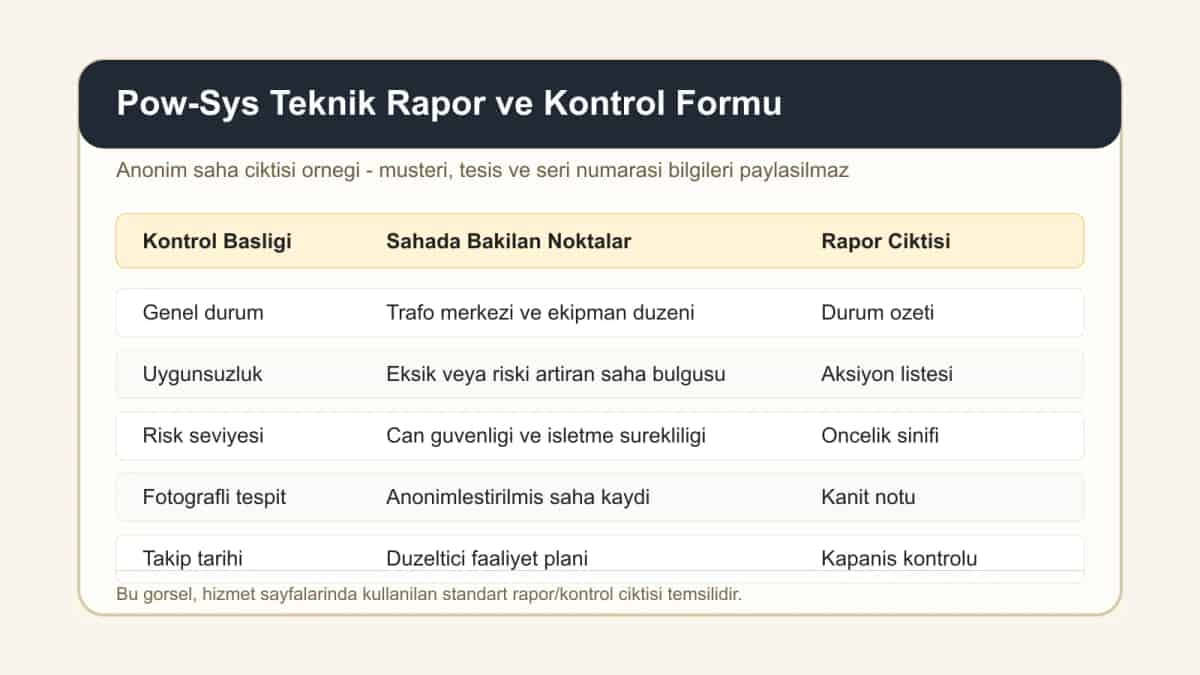
Sample Inspection Table
This table summarizes which headings are evaluated on site and which outputs may appear in the report.
| Inspected area | Checked criterion | Report output |
|---|---|---|
| Site and equipment condition | Existing equipment structure, access conditions, visible risks and operating conditions | Site inspection note and prioritized findings list |
| Document and project conformity | Single-line diagram, current project, labeling, reports and conformity with site implementation | Document conformity assessment and missing record list |
| Safety and operational risk | Life safety, equipment safety, energy continuity and maintenance access risk headings | Risk classification and corrective action recommendations |
| Measurement, test or inspection need | Measurement, test, visual inspection and technical review items required by the service scope | Measurement/test plan or inspection scope note |
| Reporting and follow-up | Nonconformity priority, follow-up date, responsibility allocation and next steps | Photo-supported report, action list and follow-up recommendation |
Out-of-Scope and Separately Planned Works
Bursa Generator Periodic Inspection produces technical follow-up, reporting, compliance assessment and risk notification. The following works are planned separately when required; final risk level, cost and scope are not confirmed without an on-site survey.
| Out-of-scope / separate work | Why is it evaluated separately? | Pow-Sys approach |
|---|---|---|
| Grounding measurement | It may require measurement equipment, site time and a separate report. | The need is stated in the main report; measurement work is planned separately. |
| Relay testing and selectivity | Relay settings, test equipment, outage planning and separate engineering assessment may be required. | Quoted as a separate testing/selectivity service when needed. |
| Thermal imaging inspection | It requires imaging under load and a separate thermal finding report. | Planned separately for panels, switchgear or connections where risk is observed. |
| Transformer maintenance and oil analysis | It may require maintenance crew, sampling, laboratory work or a separate test procedure. | The need is written in the technical report; maintenance/testing is prepared as a separate scope. |
| Project revision, implementation and physical remediation | It creates material, labor, authority process or implementation responsibility. | The main service reports the finding; implementation and contracting works are handled separately. |
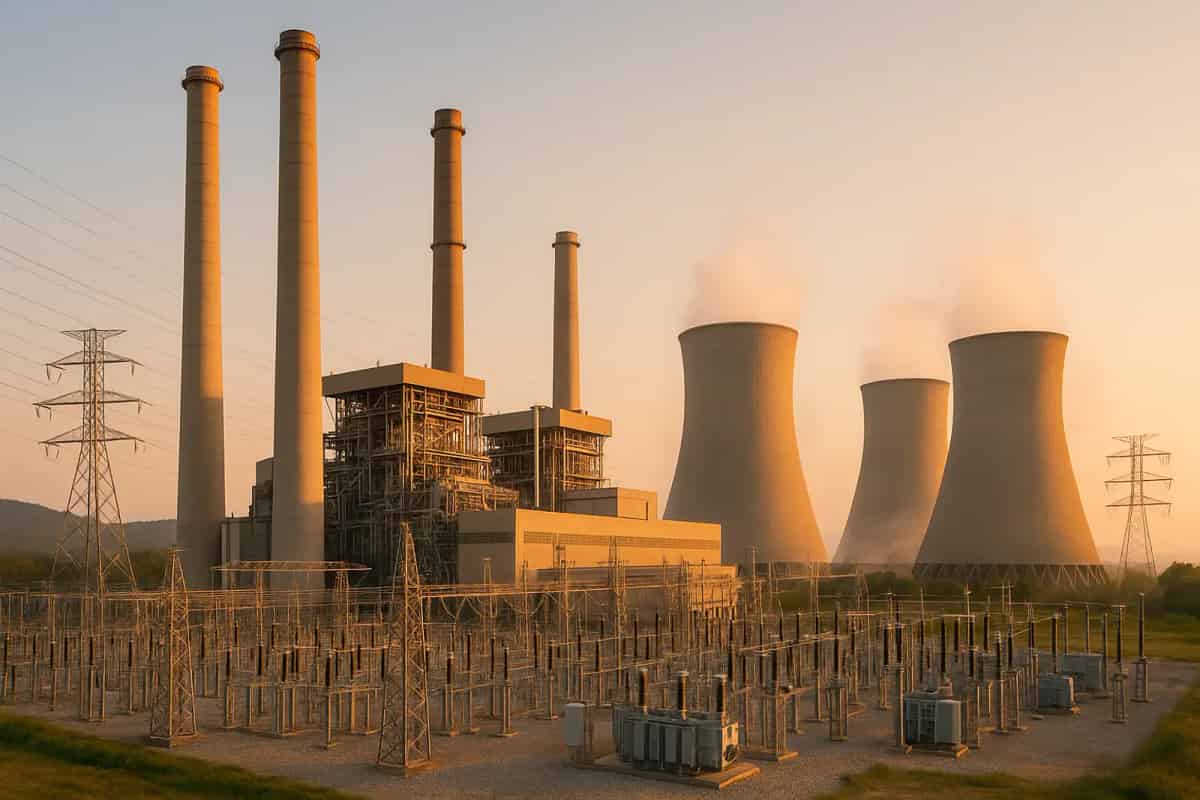
Official Regulatory Sources
- EMO certificate verification portal
Claim supported on this page: EMO registration, SMM and certificate verification transparency.
- TEDAŞ official website
Claim supported on this page: Distribution infrastructure, project/acceptance processes and technical specification context.
- TEİAŞ official website
Claim supported on this page: Transmission system, connection and high-voltage infrastructure context.
- Electrical High Current Installations Regulation
Claim supported on this page: Installation, operation, maintenance and safety of high-current electrical installations.
Frequently Asked Questions
What is generator periodic inspection and why is it performed?
Generator periodic inspection is the visual, mechanical and electrical testing of diesel, natural-gas or mobile generator sets and generator installations at defined intervals according to the relevant regulations and TS / TS EN standards. The aim is to verify that the generator system that operates during a power outage works safely, adequately and in compliance with legislation, and to identify possible fault, fire and electric shock risks in advance.
What is the generator periodic inspection interval? How often should it be performed?
According to the Regulation on Health and Safety Conditions in the Use of Work Equipment, generators are work equipment subject to periodic inspection, and unless otherwise specified in the relevant standards, the maximum generator periodic inspection interval is one year. Therefore, generator periodic examination must normally be performed at least once a year; in critical facilities such as hospitals and data centers, this period can be shortened with six-month interim inspections according to risk analysis.
Is generator periodic inspection mandatory and according to which regulation is it performed?
Yes. Generator periodic inspection is mandatory under Law No. 6331 on Occupational Health and Safety and the Regulation on Health and Safety Conditions in the Use of Work Equipment. Generators are listed among work equipment subject to periodic inspection under this regulation and must be inspected once a year unless applicable standards specify otherwise according to the criteria specified in the standards. Missing inspections may create both administrative sanctions and legal responsibility for the employer in work accidents.
Who can perform generator periodic inspection?
Generator periodic inspection must be performed by persons registered in EKİPNET and authorized to carry out periodic inspections of work equipment, or by accredited inspection bodies from the relevant engineering discipline. In practice, this duty is generally carried out by electrical or electrical-electronics engineers. The engineer signing the report must have an EKİPNET registration number and the required professional qualifications for the reports to be accepted in OHS-KATIP and official audits.
Which tests and measurements are performed in generator periodic inspection?
Although the scope varies by facility, the main topics include visual and mechanical examination of the generator engine and alternator, inspection of fuel, lubrication and cooling systems, insulation resistance and grounding continuity measurements, checks of residual current and protection devices, selection of short-circuit and overcurrent protection elements, voltage and frequency measurements, automatic start/stop and loading function tests, and generator room ventilation and fire safety checks. Thermal camera checks and load-bank tests can also be performed when required.
What is included in a generator report and is it valid in official inspections?
The report includes business and facility information, generator brand/model and power data, inspection date, test devices and calibration information, visual and mechanical checks, measured electrical values, function and load test results, detected nonconformities and severity levels, and conclusion-recommendations. When signed by an authorized engineer and prepared according to the periodic inspection criteria of the Ministry of Labor and Social Security, the report and related form can be used as a supporting document in official audits.
What is the difference between generator periodic inspection and periodic maintenance?
Generator periodic maintenance covers service activities based on manufacturer recommendations, such as oil, fuel, air and oil filters, antifreeze, belts, connections, cleaning, adjustment and calibration. Generator periodic inspection is an independent examination, testing and reporting activity that must be performed at least once a year under the regulations. Maintenance helps prevent faults and extend service life, but it does not replace the inspection report.
Is there a difference in periodic inspection for diesel and natural-gas generators?
The basic principles are similar for diesel and natural-gas generators: mechanical condition, electrical measurements, protection devices and automation system are tested. However, because fuel systems, exhaust and combustion characteristics differ, natural-gas generators require additional checks for the gas supply line, gas leakage and ventilation conditions, while diesel generators require additional checks for fuel storage, leakage and fire risk. The report format is arranged as one regulation-compliant generator inspection and examination report for both types.
How are Bursa generator periodic inspection prices determined?
The price is determined according to the number of generators, power and type of each generator, such as diesel, natural-gas, mobile or synchronized groups, number of generator rooms and fuel systems, facility location, requested test scope such as only visual and electrical checks or inclusion of thermal camera and load-bank tests, and report language. After preliminary survey or review of project documents, different proposal scenarios can be created from narrow generator-only inspection packages to integrated packages including other electrical periodic inspections.
How can I use generator reports in EKİPNET and OHS-KATIP processes?
Before a mandatory generator inspection, the employer and authorized inspector must approve an İSG-KATİP contract at least one day in advance. EKİPNET records the authorized person. The signed inspection report belongs in the facility records; its findings support risk assessment, maintenance planning and corrective actions.
Can I also receive generator maintenance, service and maintenance contract support in Bursa?
Yes. Although the main subject of this page is generator periodic inspection and examination, we can also prepare periodic maintenance service, generator service and generator maintenance contracts for diesel and natural-gas generators in Bursa. Maintenance programs covering daily, weekly, monthly, quarterly, six-monthly and annual steps are planned by considering nonconformities and risks identified in the inspection reports.
How often should generator maintenance be performed?
Generator maintenance is planned according to manufacturer recommendations, operating hours and the criticality of the facility, and it is usually organized as a program with daily, weekly, monthly, quarterly, six-monthly and annual steps rather than a single yearly action. Typical items include oil and filter changes, cooling system and belt checks, battery and starter circuit review, fuel system inspection and controlled test runs. This maintenance program is separate from the statutory periodic inspection: regardless of how frequently maintenance is performed, the generator must still undergo an independent periodic inspection at least once a year under the work equipment legislation. The most effective approach is to align the maintenance calendar with inspection findings so that nonconformities identified in the report feed directly into the maintenance plan.
Is generator maintenance the tenant's or the property owner's responsibility?
There is no single technical answer, because this is a contractual and legal question rather than an engineering one. In practice, responsibility for generator maintenance and periodic inspection costs is usually defined by the lease agreement, facility management contract or site management rules, and arrangements differ from building to building. From an occupational health and safety perspective, what matters is that equipment used in a workplace is actually maintained and periodically inspected on time — gaps in responsibility should not lead to missed inspections. Our recommendation is to review the relevant contract clauses and, where the wording is unclear, clarify the allocation with your legal or financial advisor, and then record the agreed responsibility so maintenance and inspection planning has a clear owner.