
Last updated: September 9, 2026
Reviewed by Hüseyin ÇOKAL, Electrical and Electronics Engineer. Updated: September 9, 2026.
What changed: Service scope, report outputs, official sources, pre-proposal information and technical transparency notes were reviewed for the current period.
Electrical Periodic Inspection and Examination Summary
- Comprehensive periodic inspection service for electrical installation, grounding system, lightning protection, transformer, generator, UPS-battery groups and fire detection infrastructure: your whole electrical inspection obligation handled by one team
- Technical inspection planning suitable for the business risk status, equipment density and operating conditions: an inspection calendar built for your facility, not copied from another
- Field measurement, testing, examination and regulation-compliant reporting with calibrated devices: results you can defend in official audits
- Suitable inspection approach for industrial facilities, production areas, commercial buildings, warehouses, hospitals, schools, offices and multi-purpose buildings: the same discipline whether the site is a factory or an office floor
- Technical assessment for electrical safety, fire risk, business continuity and audit readiness: risks reach you in writing before they become incidents
- Solution-oriented service through detection, prioritization of nonconformities and corrective action recommendations: no finding is left without follow-up
- This page covers only electrical periodic inspection topics; mechanical equipment is outside this scope: you know exactly what is covered before you commit
Technically reviewed by
Electrical Periodic Inspection and Examination Scope
What is electrical periodic inspection service
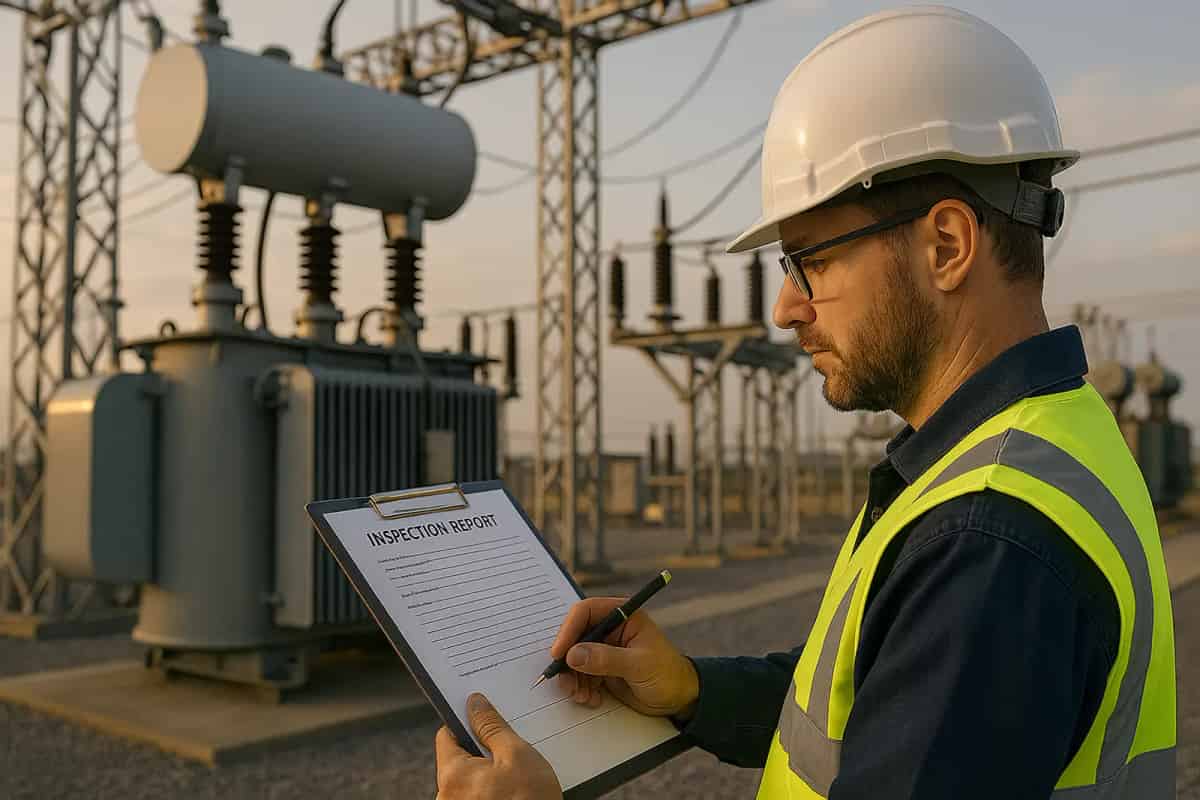
Periodic inspection service covers the measurement, testing, technical assessment and reporting of electrical installations, grounding, lightning protection, transformers, generators, UPS-battery groups and fire detection systems at defined intervals. The purpose is not only to prepare documentation, but to identify electrical fire, electric shock, unplanned outage and equipment damage risks at an early stage.
This service is a fundamental inspection process for industrial facilities, production areas, warehouses, commercial buildings, hospitals, schools, offices and multi-purpose buildings with electrical infrastructure in terms of occupational safety and business continuity.
What are periodic inspection and periodic examination
Periodic inspection means evaluating facilities, installations and work equipment at defined intervals through measurement, testing, visual examination and document review. Periodic examination is the broader term covering the full process and its reporting.
In practice, the two expressions are often used together. What matters is that inspections are performed by authorized persons, measurement results are recorded, nonconformities are classified and the process is documented with a technical report.
Legal basis and technical standards
Periodic inspection work is carried out by considering Law No. 6331 on Occupational Health and Safety, Annex III of the Regulation on Health and Safety Conditions in the Use of Work Equipment, the Electrical Internal Installations Regulation, the Electrical High Current Installations Regulation, the Electrical Grounding Installations Regulation and the relevant TS EN, TS HD and IEC standards.
Unless otherwise specified in the relevant standards, an annual inspection approach is commonly used for electrical installations, grounding installations, lightning protection installations, batteries, transformers and similar electrically related installations. If the risk is high, the inspection interval should be shortened.
Which systems and equipment are inspected
This page covers periodic inspection topics related to electricity. Mechanical equipment, lifting equipment and pressure vessels are outside the scope of this service.
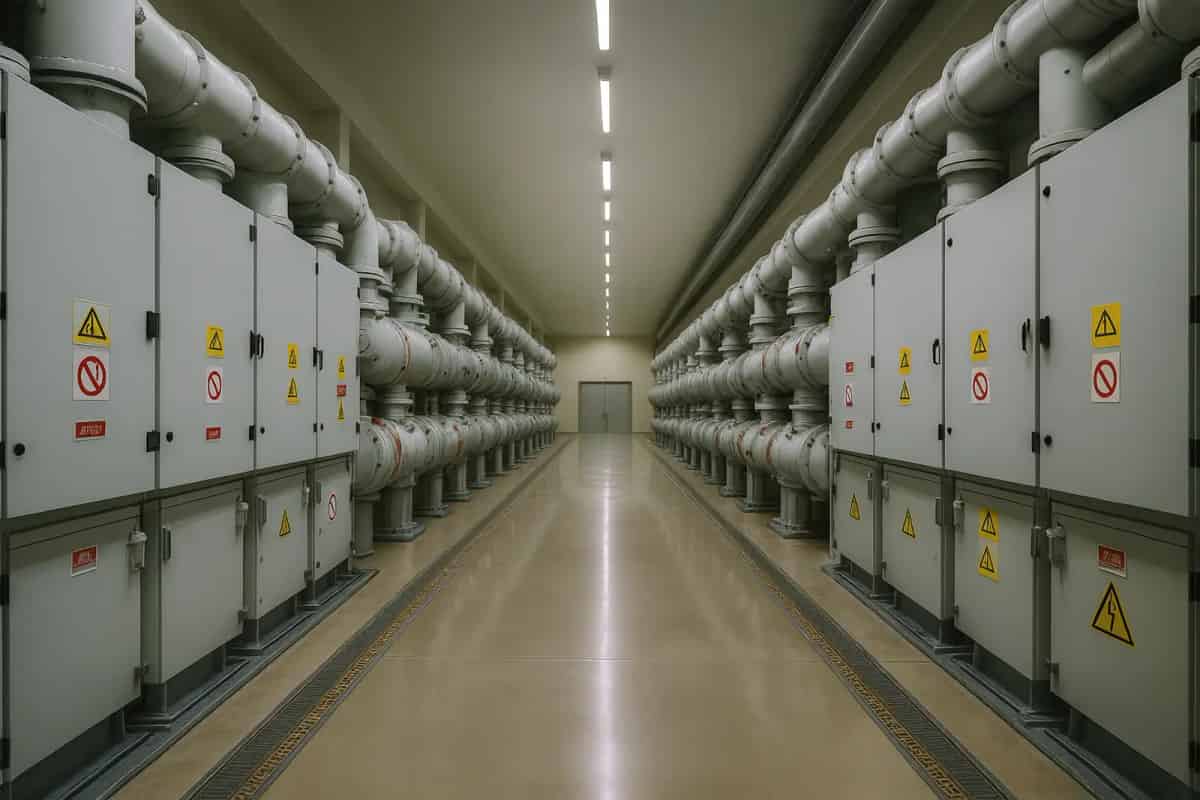
The inspection scope consists of electrical installations and distribution panels, grounding installations, equipotential bonding, lightning protection systems, transformers and medium-voltage equipment, generators and transfer infrastructure, UPS-battery groups, battery rooms and electrical checks of fire detection and warning systems.
Depending on the needs of the business, these inspections can be planned separately or as an integrated service within a single site organization.
How are inspection criteria determined
Inspection criteria are determined not only according to general regulatory clauses, but by evaluating equipment technical characteristics, manufacturer recommendations, operating intensity, environmental conditions, maintenance history, previous periodic inspection reports and the facility risk level together.
Facilities with heavy operating conditions, continuously energized systems, high load levels or fire risk may require more detailed measurement and a more frequent inspection approach.
How does the periodic inspection process work
The process starts with reviewing existing projects, single-line diagrams, maintenance records, previous reports and equipment information. Then panel rooms, transformer areas, generator sections, grounding points, lightning protection components and fire detection infrastructure are evaluated on site.
During measurement and testing, grounding measurements, insulation tests, continuity checks, residual current checks, thermal camera inspections and protection system assessments are performed. Findings are interpreted together with technical requirements and site conditions and converted into a report.
Who can perform periodic inspection
Periodic inspections of electrical installations and electrically related work equipment must be performed by engineers or authorized technical personnel who are competent in the relevant field, registered in EKİPNET and using calibrated measurement devices.
A proper periodic inspection is not only about writing measurement results. Field risks must be interpreted, nonconformities must be prioritized and corrective action recommendations that the business can implement must be provided.
What does the periodic inspection report include
After the inspection is completed, the summary of examinations, measurements and tests, measurement results, nonconformity list, risk priorities, corrective action recommendations and general technical assessment are delivered to the business as a report.
These reports are core technical records for official audits, internal occupational safety follow-up, insurance processes, maintenance planning and future periodic inspection periods.
Who is the periodic inspection service suitable for
Periodic inspection service is suitable for all businesses with electrical infrastructure that want this infrastructure to operate safely. From small businesses to large factories in organized industrial zones, a regular inspection approach is important in every building.
Industrial facilities, production areas, logistics warehouses, shopping centers, hospitals, educational institutions, public buildings, offices, business centers and multi-storey buildings are among the main structures that may need this service.
Advantages of professional periodic inspection service
Professional periodic inspection enables early detection of risks, strengthens electrical and fire safety, reduces unplanned outages, creates documented technical follow-up and helps the business prepare for audits more effectively.
A standard-compliant periodic inspection carried out with an engineering perspective is not only a legal obligation; it is a fundamental measure for facility safety, employee safety and sustainable operation. To receive a proposal, share your equipment inventory — panels, transformers, generators, UPS-battery groups and fire detection systems — and the approximate size of your facility; scope is clarified from this information, and before signing you see in writing what is included and what is planned as a separate service.
Reporting, Inspection and Proposal Preparation
Sample Inspection Table
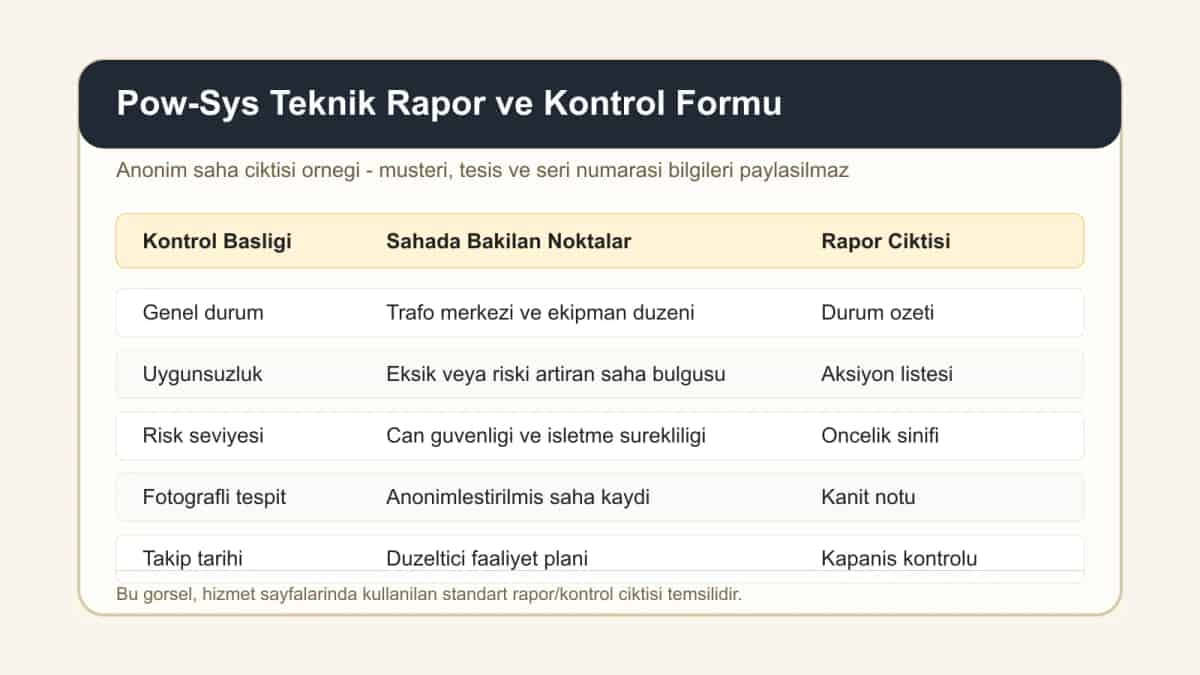
This table summarizes which headings are evaluated on site and which outputs may appear in the report.
| Inspected area | Checked criterion | Report output |
|---|---|---|
| Site and equipment condition | Existing equipment structure, access conditions, visible risks and operating conditions | Site inspection note and prioritized findings list |
| Document and project conformity | Single-line diagram, current project, labeling, reports and conformity with site implementation | Document conformity assessment and missing record list |
| Safety and operational risk | Life safety, equipment safety, energy continuity and maintenance access risk headings | Risk classification and corrective action recommendations |
| Measurement, test or inspection need | Measurement, test, visual inspection and technical review items required by the service scope | Measurement/test plan or inspection scope note |
| Reporting and follow-up | Nonconformity priority, follow-up date, responsibility allocation and next steps | Photo-supported report, action list and follow-up recommendation |
Selected Inspection Scope and Additional Work
The proposal identifies which electrical systems and inspections are included. Grounding measurement is part of the service when grounding inspection is included in that inventory.
| Work item | Relationship to the service | Scope decision |
|---|---|---|
| Agreed electrical inspections and measurements | The selected installation, grounding and other equipment inspections follow the agreed inventory. | Findings and measurement results are recorded in the applicable inspection reports. |
| Equipment or tests outside the selected inventory | Additional systems require their own inspection methods and site time. | Additional scope and reporting are agreed before inspection. |
| Repair, replacement and physical remediation | An inspection identifies a defect; corrective work may require materials and installation. | Remediation is planned separately and does not replace the inspection report. |
Official Regulatory Sources
- EMO certificate verification portal
Claim supported on this page: EMO registration, SMM and certificate verification transparency.
- TEDAŞ official website
Claim supported on this page: Distribution infrastructure, project/acceptance processes and technical specification context.
- TEİAŞ official website
Claim supported on this page: Transmission system, connection and high-voltage infrastructure context.
- Electrical High Current Installations Regulation
Claim supported on this page: Installation, operation, maintenance and safety of high-current electrical installations.
Frequently Asked Questions
Are periodic inspection and periodic examination the same thing?
The two concepts are often used together. Periodic inspection refers to measurement, testing and examination activities, while periodic examination is a broader expression that also includes the general assessment and reporting part of this process.
Which equipment is included in periodic inspection?
Electrical installation, grounding installation, lightning protection system, transformer, generator, UPS-battery groups and electrical components of fire detection infrastructure can be included in periodic inspection.
How often should periodic inspection be performed?
Inspection frequency is determined according to equipment type, operating conditions, risk level, previous inspection results and technical requirements. For electrical installations, grounding installations, lightning protection installations, batteries and transformers, an annual inspection approach is commonly used unless the relevant standards define a shorter period. If the risk is high, the interval should be shortened.
Why is periodic inspection important?
Regular inspection allows leakage current, weak connections, insufficient grounding, overheating and protection deficiencies to be detected early. This supports both safety and business continuity.
Is a report delivered after periodic inspection?
Yes. Tests performed, measurement results, detected nonconformities and recommended corrective actions are delivered as a report.
Is periodic inspection necessary only for large facilities?
No. A periodic inspection approach is important in all buildings with electrical infrastructure, from small businesses to large industrial facilities.
Who can perform electrical periodic inspection?
Periodic inspections of electrical installations and electrically related work equipment must be performed by engineers or authorized technical personnel who are competent in the relevant field, registered in the official EKİPNET system and working with calibrated measurement devices. Competence is not only a formal requirement: the inspector must be able to interpret field risks, prioritize nonconformities and provide corrective action recommendations that the business can actually implement. Before commissioning an inspection, businesses can ask for the inspector's authorization status, the calibration certificates of the instruments to be used and a sample report format. Working with qualified personnel ensures the resulting report is technically meaningful and usable in official audits, insurance processes and internal occupational safety follow-up.
What does an electrical periodic inspection report include?
The report includes a summary of the examinations, measurements and tests performed, the measurement results, a nonconformity list, risk priorities, corrective action recommendations and a general technical assessment of the electrical infrastructure. Depending on the scope, it may cover electrical installations and distribution panels, grounding measurements, lightning protection checks, transformer and MV equipment assessments, generator and UPS-battery findings and the electrical checks of fire detection systems. A well-prepared report does more than record numbers: it interprets the findings together with site conditions so that maintenance planning and improvement steps become clear. These reports serve as core technical records for official audits, internal occupational safety follow-up, insurance processes and the planning of future periodic inspection periods.